


Most branded merchandise fails before anything is made.
Not because the product is poor. Not because the supplier is unreliable. Because no one stopped to ask what it was meant to do.
By the time a brief reaches production, the important decisions have already been made. Usually quickly. Usually internally. Usually without much challenge.
What follows is just execution.
The problem is not the product
When something does not land, people look in the wrong place.
They blame:
- the design
- the quality
- the supplier
But those are symptoms.
The real issue is earlier:
- no clear objective
- no real understanding of the audience
- no thought about how the item will actually be used
So you end up with something that looks fine, but does nothing.
“Most clients don’t come to us with a bad product,” says Daniel Lyons. “They come with something that was never properly thought through in the first place.”
People do not keep things because they are branded
They keep things because they fit into their life. They keep the item that quietly becomes part of their routine.
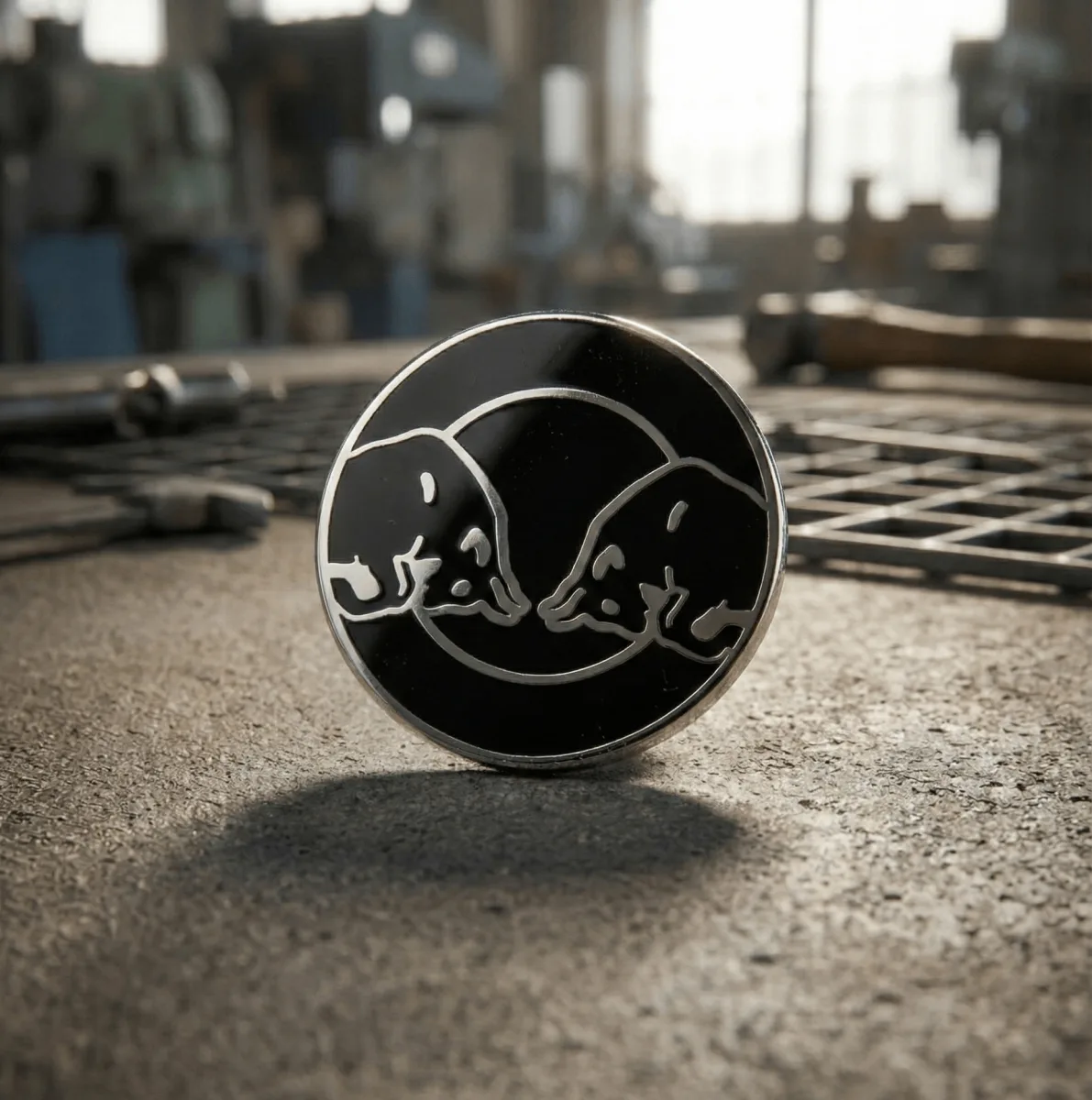
A simple, well-made item that has a clear place in someone’s day will always outperform something more elaborate that gets ignored.
Look at something like this.
- It is simple.
- It has a place.
- That is why it works.
Most brands aim for something noticeable. But the items that last are usually the opposite.
- They are easy to carry.
- Easy to use.
- Easy to justify keeping.
The interesting thing is that this often makes them less impressive at first. But far more effective over time.
The internal trap
This is where things tend to go wrong. Merchandise gets treated as a task. Something to get done. Someone is asked to “sort it” alongside everything else.
There is limited time. A few ideas are pulled together. Something gets approved.
Job done. Except it is not.
This is how most bad merchandise happens. Not through bad intent. Through rushed decisions.
Because no one has stepped back to ask:
- What is this actually for?
- Who is it for?
- What should it achieve?
Without that, you are not running a campaign. You are ordering products.
“The best projects are the ones where we’re involved early,” says Lana Ziskind. “When we’re brought in later, we are usually fixing something that is already off.”
Strategy is not an extra
Most brands treat strategy as optional. Something to add if there is time. In reality, it is the work. Once the thinking is right:
- the product becomes obvious
- the design becomes easier
- the process becomes smoother
Without it, everything else is guesswork.
Most merchandise is designed to stand out. But the items that work tend to do the opposite. They fit in. They become part of someone’s routine. Something people reach for without thinking.
That is what gives them value.
Branded merchandise is not about what you make. It is about what it does.If that is not clear at the start, nothing you produce will fix it later.